Abolitionists, Freedom Seekers, and the Fight Against Slavery
(Anthony Burns, Stephen Bishop, Clara Brown, Henry Box Brown, John Brown, Ellen and William Craft, Frederick Douglass, Dave “The Potter” Drake, Allen Jay, Juan Francisco Manzano, John Berry Meachum, Lucretia Mott, Solomon Northup, John Parker, Robert Smalls, Betsey Stockton, William Still, Harriet Beecher Stowe, and Nat Turner)
Dates covered: 1820-1860
Contains affiliate links
If you appreciate these resources, please consider supporting me on Patreon to enable me to continue to provide more free resources.
Books:
Anthony Burns: Fighting the Fugitive Slave Act
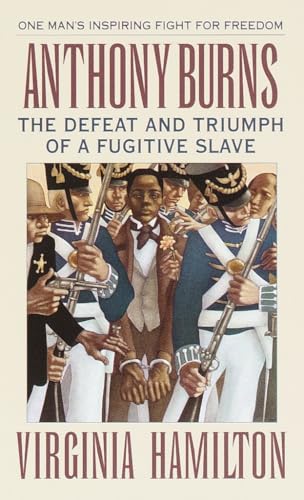
Anthony Burns: The Defeat and Triumph of a Fugitive Slave. Virginia Hamilton. Biography. The year is 1854, and Anthony Burns, a 20-year-old Virginia slave, has escaped to Boston. But according to the Fugitive Slave Act, a runaway can be captured in any free state, and Anthony is soon imprisoned. The antislavery forces in Massachusetts try to fight for his freedom, but the federal government backs the Fugitive Slave Act, sparking riots in Boston and fueling the abolitionist movement. Level 5.8. Mature Middle to Older students. Massachusetts. 1854.
Stephen Bishop: Enslaved Mammoth Cave Explorer
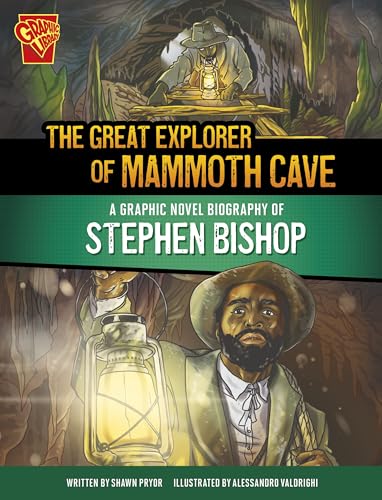
Great Explorer of Mammoth Cave: A Graphic Novel Biography of Stephen Bishop. Shawn Pryor. Barrier Breakers series. Graphic Novel. Mammoth Cave, a National Park in Brownsville, Kentucky, is the world’s largest cavern with more than 400 miles of cavern space. The first person to explore the cave was an enslaved Black man, Stephen Bishop. With bravery and a curious mind, he became a popular tour guide and mapped out the extensive caverns, all while remaining enslaved. Learn about this respected explorer’s work in this inspiring graphic novel. Younger or Middle students. Kentucky. Level 4.3. 1838.
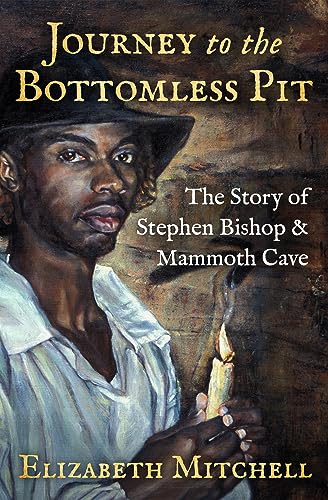
Journey to the Bottomless Pit: The Story of Stephen Bishop & Mammoth Cave. Elizabeth Mitchell. Historical Fiction. If you toured Mammoth Cave in Kentucky in the year 1838, your guide would have been seventeen-year-old Stephen Bishop, an African American slave who became known around the world as the expert on Mammoth Cave. Bishop needed bravery, intelligence, and curiosity to explore using only a lantern, rope, and basic caving equipment, as he found a way to cross the bottomless pit and discover many more miles of incredible grottoes and tunnels. Younger to Middle students. Kentucky. Level 5.3. 1838.
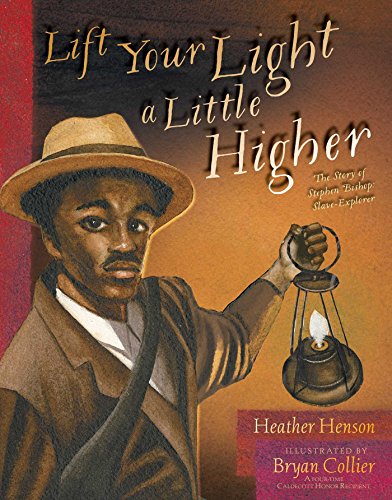
Lift Your Light a Little Higher: The Story of Stephen Bishop: Slave-Explorer. Heather Henson. Picture Book Biography. A look at the life of a slave whose job it was to guide people through Mammoth Cave, the deepest, biggest cave in the United States. Level 3.7. Younger students. Kentucky. 1840.
Clara Brown: Helping Freed Slaves During the Gold Rush
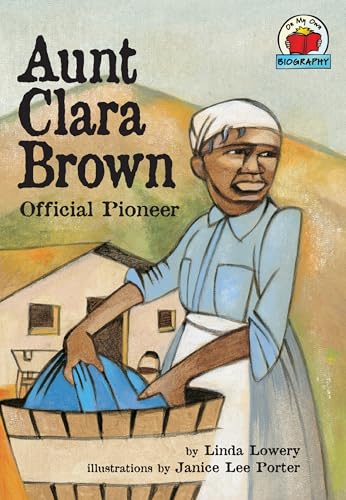
Aunt Clara Brown: Official Pioneer. Linda Lowery. Biography. As a successful former slave, Clara Brown used her money to help other freed slaves get a new start in life. In 1859, Clara gained her freedom and headed west to Colorado to find her daughter, who was sold when she was just a little girl. Clara didn’t find her daughter there, but she helped other former slaves find their families. The people she helped became her family, and she became known as “Aunt” Clara Brown. Early reader. Note: discusses her young daughter being sold into slavery and her many years spent searching for her. Kentucky/Colorado/Iowa. Mature Younger to Middle students. Level 3.1. 1859.
Henry “Box” Brown: Mailing Himself to Freedom
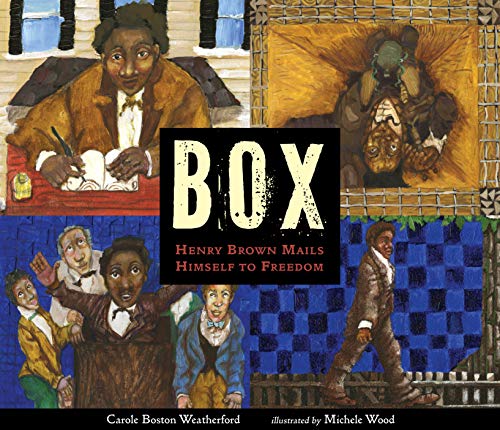
BOX: Henry Brown Mails Himself to Freedom. Carole Boston Weatherford. Picture book, but contains harsh themes. A New York Times best-selling author and an acclaimed artist follow the life of a man who courageously shipped himself out of slavery. Level 5.3. Mature Younger to Middle students. Virginia, Pennsylvania. 1849. Newbery Honor Book.
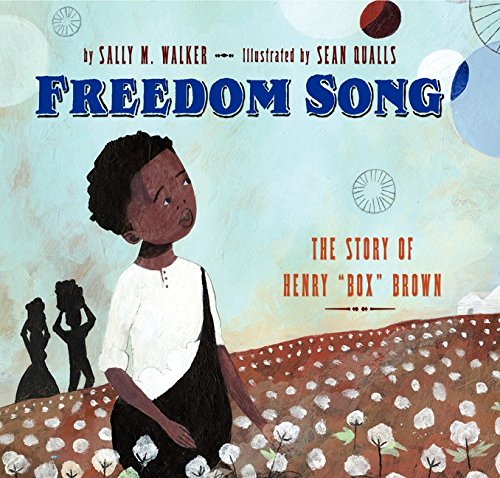
Freedom Song: The Story of Henry “Box” Brown. Sally M. Walker. Historical Fiction Picture Book. An award-winning author and illustrator join forces in a stirring and emotionally rich telling of Henry “Box” Brown’s famed escape from slavery—a feat he achieved by mailing himself to freedom. Level 3.9. Virginia. Younger to Middle students. 1849.
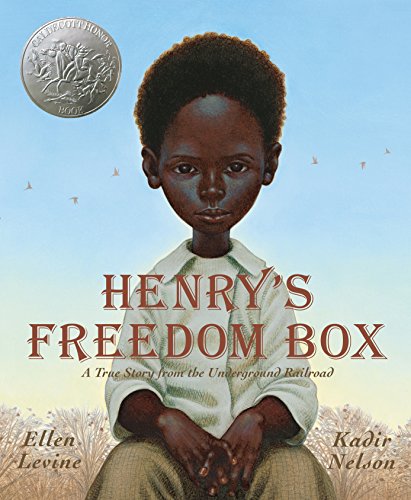
Henry’s Freedom Box: A True Story from the Underground Railroad. Ellen Levine. Picture Book. He will mail himself to the North to escape slavery. After an arduous journey in the crate, and even though he is all grown up, Henry finally has his first birthday — his first day of freedom. Level 3.0. Virginia. Younger students. 1849.
John Brown: Radical Abolitionist of Harpers Ferry
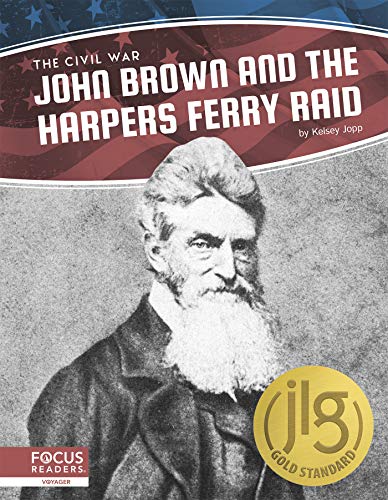
John Brown and the Harpers Ferry Raid. Kelsey Jopp. The Civil War series. Nonfiction. This title focuses on John Brown’s raid on Harpers Ferry, guiding readers through its historical context, goals, and legacy. Critical thinking questions and two Voices from the Past special features help readers understand and analyze the various views people held. Middle to Older students. Virginia. 1859.
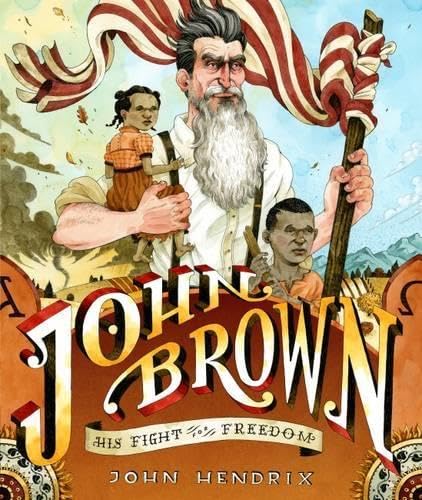
John Brown: His Fight for Freedom. John Hendrix. Picture Book Biography. In the late 1850s, at a time when many men and women spoke out against slavery, few had the same impact as John Brown, the infamous white abolitionist who backed his beliefs with unstoppable action. His dedication to freeing the American slaves made him one of the most recognizable fighters in the liberation movement to end slavery. Note: Although it is written in picture-book style, it contains a lot of violence and other topics suited for older children. Level 6.7. Middle to Older students. Virginia. 1859.
John Brown’s Raid on Harpers Ferry. Jason Glaser. Graphic History series. Graphic Novel. Explains the story of John Brown’s 1859 raid on Harpers Ferry, Virginia. Written in graphic-novel format. Mature Younger to Middle students due to difficult subject matter. Virginia. 1859.
The Story of John Brown’s Raid on Harper’s Ferry. Zachary Kent. Cornerstones of Freedom series. Describes the causes, events, and aftermath of the raid led by John Brown on the United States arsenal at Harpers Ferry in a push to help end slavery. Mature middle students. Virginia. 1859.
Ellen and William Craft: Husband and Wife Who Escaped in Disguise
5,000 Miles to Freedom: Ellen and William Craft’s Flight from Slavery. Judith Bloom Fradin and Dennis Brindell Fradin. Nonfiction biography. Ellen and William Craft are more than 1,000 miles from freedom, but that doesn’t stop them from attempting one of the most daring escapes in American history. Note: slavery, slave catchers, and racial discrimination. ALA Best Books for Young Adults, 2007. Level 7.6. Middle to Older students. Georgia, 1848.
The Brave Escape of Ellen and William Craft. Donald B. Lemke. Graphic History series. Graphic Novel. Tells the story of Ellen and William Craft’s unique escape from slavery in Georgia to freedom in Pennsylvania. Level 3.6. Younger to Middle students. Georgia. 1848.
The Daring Escape of Ellen Craft. Cathy Moore. Early Reader. Younger students. On December 21, 1848, Ellen Craft and her husband, William, slipped out into the cold, dark night and took their first steps towards freedom. They were runaway slaves. Posing as a white man traveling with a slave, Ellen courageously boarded a train bound for Philadelphia. Could they actually make it a thousand miles without being discovered? As each tension-filled day passed and freedom got closer, Ellen and William risked everything, even death, to be free. Georgia. 1848.
Frederick Douglass: Escaped Slave and Great Abolitionist Speaker
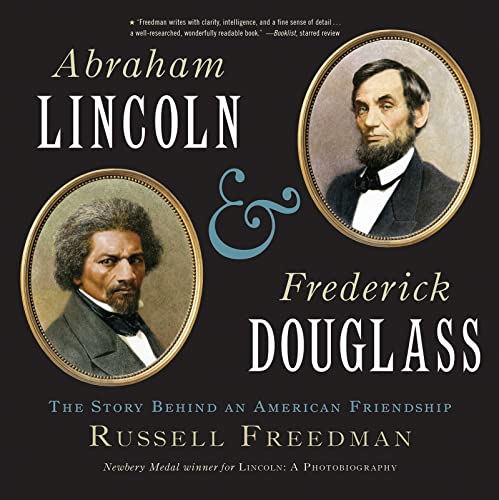
Abraham Lincoln and Frederick Douglass: The Story Behind an American Friendship. Russell Freedman. Nonfiction biography. See the evolving relationship between Abraham Lincoln and Frederick Douglass during the Civil War, and how their mutual respect and shared goals helped shape the fight to end slavery. Ages 10–16. Washington, D.C., 1863.
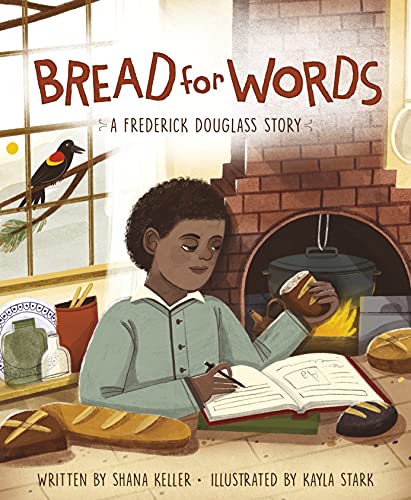
Bread for Words: A Frederick Douglass Story. Shana Keller. Picture book biography. This story follows young Frederick Douglass in Baltimore as he secretly learns to read while enslaved, trading bread to neighborhood boys in exchange for lessons and discovering that literacy is a key to freedom. Note: portrays slavery and enslavement. AR 3.8. Ages 6–10. Maryland, 1825.
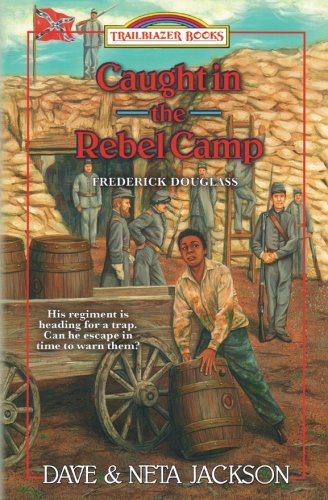
Caught in the Rebel Camp: Frederick Douglass. Dave Jackson and Neta Jackson. Trailblazer Books series (40). Historical Fiction. The Civil War has just begun, and everybody seems to be getting into the action—except for Danny. He wants nothing more than to fight with Frederick Douglass’s newly formed black regiment. But his young age and a lame foot keep Danny from enlisting. When the colonel’s own horse escapes one night, Danny goes after him, only to find himself inside the Confederate soldiers’ fort. Mature Younger to Middle students. Massachusetts, 1863.
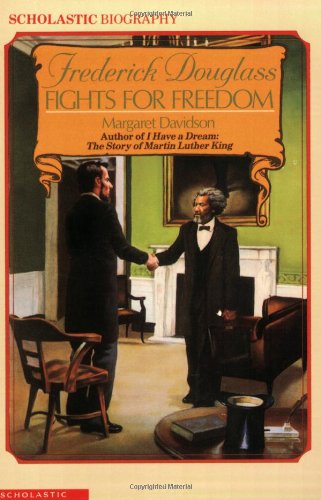
Frederick Douglass Fights for Freedom. Margaret Davidson. Biography. A biography tracing Frederick Douglass from his birth into slavery, through his secret struggle to learn to read, his daring escape, and his rise as a powerful voice against slavery, showing how courage, literacy, and conviction helped reshape American history. Sensitive content note: slavery, violence, injustice, and imprisonment. Reading level: AR 5.4. Age group: 9–12. Setting: Maryland, 1850.
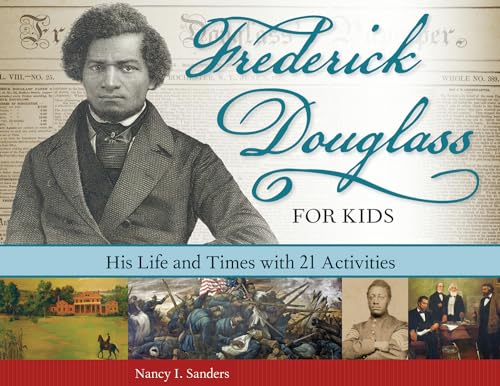
Frederick Douglass for Kids: His Life and Times with 21 Activities. Nancy I. Sanders. Children’s history biography with activities. Learn about Frederick Douglass, his childhood in slavery, his escape to freedom, and his work as a leading abolitionist, writer, and speaker in the fight to end slavery, with historical projects and hands-on activities that help readers explore the era. All ages. Maryland and Massachusetts, 1825.
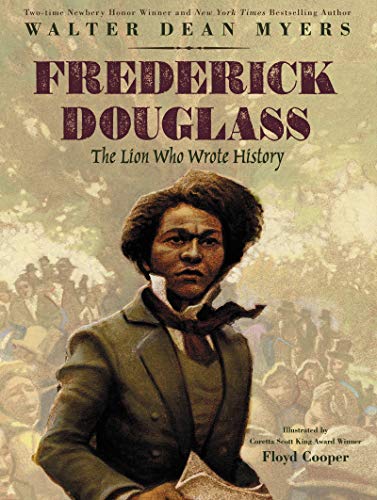
Frederick Douglass: The Lion Who Wrote History. Walter Dean Myers. Picture book biography. This account presents Frederick Douglass from his enslavement in Maryland through his escape, powerful speeches, and leadership in the abolition movement, emphasizing his courage and determination to change the nation. Note: portrays slavery and enslavement. AR 4.9. Ages 7–11. Maryland, 1845.
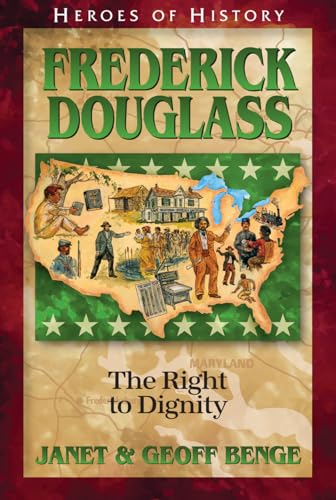
Frederick Douglass: The Right to Dignity. Janet and Geoff Benge. Heroes of History series. Biography. Born into slavery in Maryland, Frederick Douglass was separated from his mother during infancy, then taken from his grandparents at the age of six to serve at the “Great House.” He never imagined the cruelties he would witness or the indignities of his family being treated like cattle to be sold. Escaping from slavery, Frederick Douglass became a national leader of the abolitionist movement in America, and the most important African American of the nineteenth century. Older students. 1845.
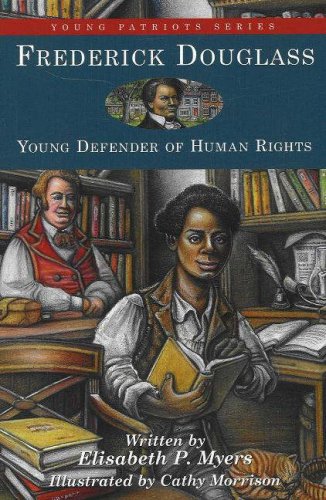
Frederick Douglass: Young Defender of Human Rights. Elisabeth P. Myers. Young Patriots series. Biography. Frederick Douglass’s rise from slavery to prominence as an early abolitionist and civil rights champion is featured, focusing on Douglass’s early years, his difficult upbringing as a slave on a Maryland plantation, his early separation from his mother, and his move as an adolescent to the home of the Auld family. This biography reveals his fierce dedication to education. Middle to Older students. Maryland. 1845.
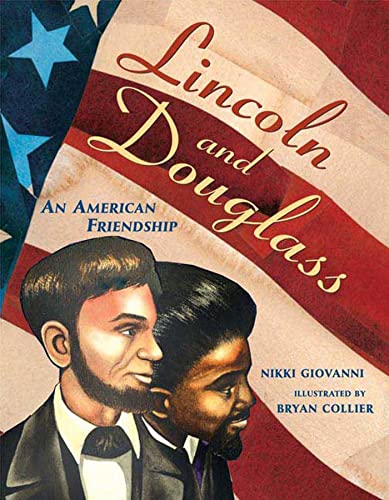
Lincoln and Douglass: An American Friendship. Nikki Giovanni. Illustrated by Bryan Collier. Picture Book. This book offers a glimpse into the unusual friendship between two great American leaders. At a time when racial tensions were high and racial equality was not yet established, Abraham Lincoln and Frederick Douglass formed a strong bond over shared ideals and worked alongside each other for a common goal. Level 4.9. Younger to Middle students. Washington, D.C. 1863.
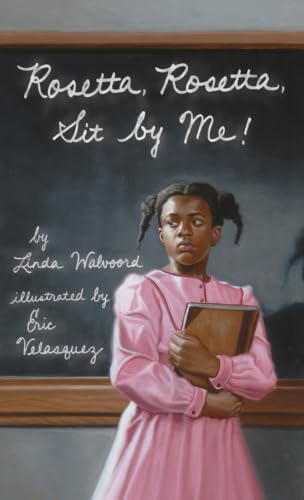
Rosetta, Rosetta, Sit by Me! Linda Walvoord. Illustrated by Eric Velasquez. Historical Fiction. “Rosetta, Rosetta, Sit by me!” That’s what the white girls at Miss Tracy’s Female Seminary yell when Rosetta, Frederick Douglass’s nine-year-old daughter, shows up on the first day of school. But things don’t turn out the way she expects. Told in Rosetta’s own voice, and illustrated throughout, this remarkable chapter book tells the story of Rosetta’s isolation in the classroom and on the playground as she battles racism years before Ruby Bridges would enter a white school with the world watching. Level 4.1. Younger to Middle students. Massachusetts. 1845.
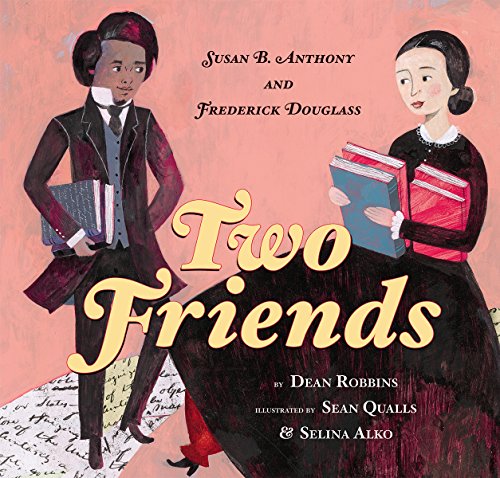
Two Friends: Susan B. Anthony and Frederick Douglass. Dean Robbins. Illustrated by Sean Qualls and Selina Alko. Picture book. Susan B. Anthony and Frederick Douglass chat over tea about their efforts to win rights for women and African Americans. Some people had rights, while others had none. Why shouldn’t they have them, too? Two friends, Susan B. Anthony and Frederick Douglass, get together for tea and conversation. They recount their similar stories fighting to win rights for women and African Americans. Level 2.5. Younger to Middle students. New York. 1845.
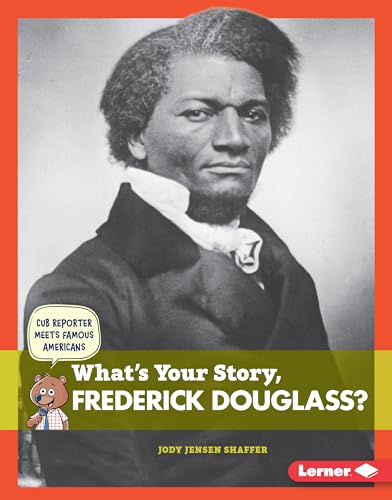
What’s Your Story, Frederick Douglass? Jody Jensen Shaffer. Cub Reporter Meets Famous Americans series. Biography. How did Frederick Douglass escape from slavery? How did he make a difference during the abolition movement? Cub Reporter interviews the civil rights activist to find out how Frederick, a freed slave, inspired others with his achievements as an author, activist, and speaker. Readers will see how to use interviewing skills and journalistic questions to reveal the story behind a famous American. Level 4.3. Younger to Middle students. Maryland. 1845.
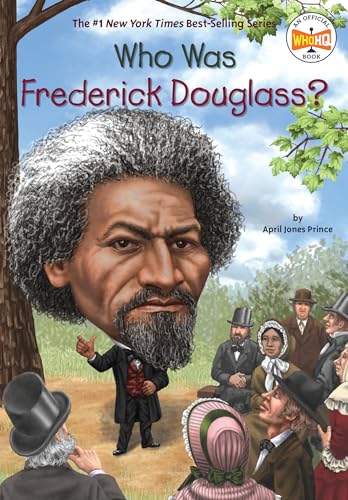
Who Was Frederick Douglass? April Jones Prince. Illustrated by Robert Squier. Part of the Who Was series. Born into slavery in Maryland in 1818, Frederick Douglass was determined to gain freedom–and once he realized that knowledge was power, he secretly learned to read and write. As a free man he gave powerful speeches about his experience as a slave. He was so impressive that he became a friend of President Abraham Lincoln, as well as one of the most famous abolitionists of the nineteenth century. Level 5.7. Middle students. Maryland/Massachusetts/Washington, D.C. 1845.
Dave “The Potter” Drake: Enslaved Potter and Poet
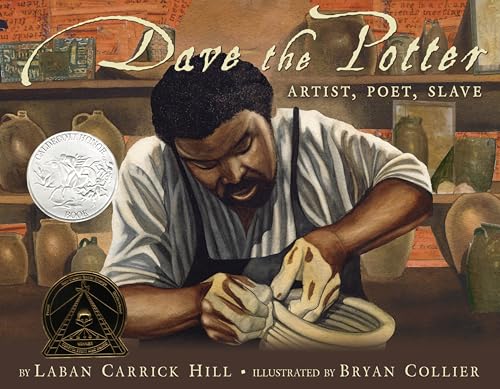
Dave the Potter: Artist, Poet, Slave. Laban Carrick Hill. Illustrated by Bryan Collier. Picture book. In a world where slaves were largely unknown, David Drake, more famously known as Dave the Potter, was able to achieve lasting fame. Dave was an extraordinary artist, poet, and potter. He combined his superb artistry with deeply observant poetry, carved onto his pots, leaving a lasting impression. Level 6.0. Younger to Middle students. South Carolina. 1857.
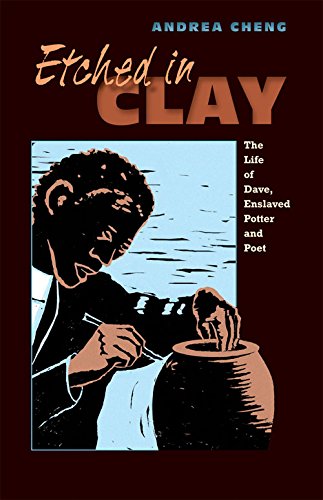
Etched in Clay: The Life of Dave, Enslaved Potter and Poet. Andrea Cheng. Biography in Verse. From the time he was first taught to turn a potter’s wheel, a slave named Dave showed exceptional natural talent, first at creating beautiful jars and vessels. Later, he learned to read and write, even though South Carolina had laws prohibiting slave literacy. And then Dave did something even more daring: he began to sign his jars and carve many of them with sayings and short poems that reflected his daily life and experiences. Today, Dave’s legacy lives on in the artistry of his pottery, in his intriguing words, and as a reminder of the dignity and resilience of the human spirit. Level 5.0. Mature Middle to Older students. South Carolina. 1857.
Allen Jay: Young Quaker Abolitionist
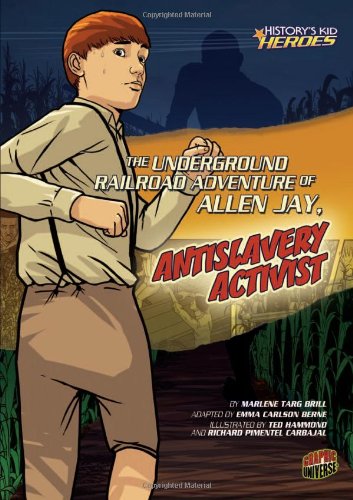
Underground Railroad Adventures of Allen Jay, Antislavery Activist. Marlene Targ Brill. Illustrated by Ted Hammond and Richard Pimentel Carbajal. History’s Kid Heroes series. Graphic Novel. Recounts in graphic novel format how Allen Jay, a young Quaker boy living in Ohio during the 1840s, helped a fleeing slave escape his master and make it to freedom through the Underground Railroad. Level 2.8. Mature Younger and Middle students. Ohio. 1840s.
Juan Francisco Manzano: Slave Poet of Cuba
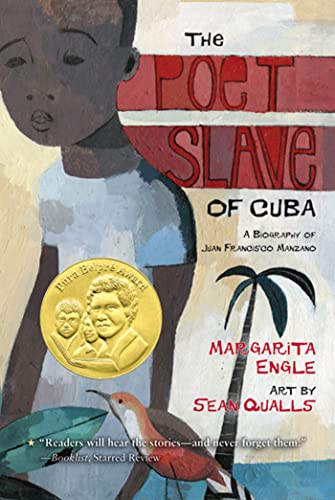
Poet Slave of Cuba: A Biography of Juan Francisco Manzano. Margarita Engle. Illustrated by Sean Qualls. Biography in Verse. Born into the household of a wealthy slave owner in Cuba in 1797, Juan Francisco Manzano spent his early years by the side of a woman who made him call her Mama, even though he had a mama of his own. Denied an education, young Juan showed an exceptional talent for poetry. His verses reflect the beauty of his world, but they also expose its hideous cruelty. Powerful, haunting poems and breathtaking illustrations create a portrait of a life in which even the pain of slavery could not extinguish the capacity for hope. Level 6.3. Older students. Cuba. 1830s.
John Berry Meachum: Founder of the Floating Freedom School
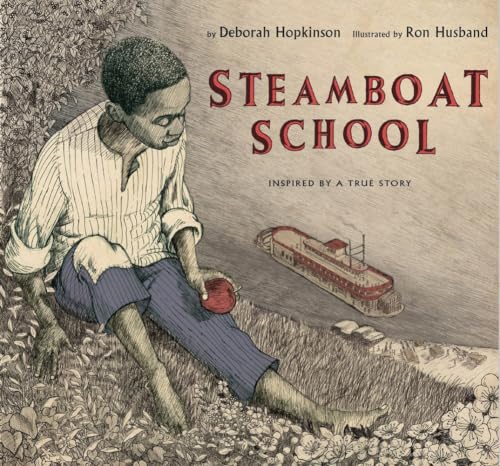
Steamboat School. Deborah Hopkinson. Illustrated by Ron Husband. Inspired by a True Story: St. Louis, Missouri: 1847. Picture Book. James wasn’t excited to go to school—everything outside was loud and exciting, but the classroom was dark and dreary. His teacher, Reverend John Meachum, shared stories about being enslaved, buying his freedom, and building a life. But one day the school was shut down by a law—a law forbidding African American education in Missouri. With steamboats swaying on the Mississippi River, and a spirit of determination, the Reverend found a loophole—what if the school wasn’t in Missouri? Level 4.2. Younger to Middle students. Missouri. 1847.
Lucretia Mott: Quaker Abolitionist and Women’s Rights Leader

Lucretia Mott: Girl of Old Nantucket. Constance Buel Burnett. Biography. Childhood of Famous Americans series. Early years of the girl who grew up to help found the American Anti-Slavery Society and organize the first Women’s Rights Convention. Middle students. Massachusetts. 1800s.
Solomon Northup: Free Black Man Kidnapped into Slavery
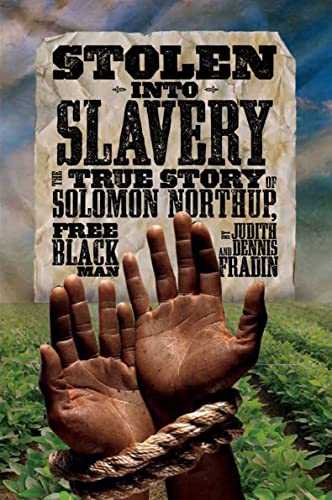
Stolen into Slavery: The True Story of Solomon Northup, Free Black Man. Judith Bloom Fradin and Dennis Brindell Fradin. Biography. This remarkable story follows Northup through his kidnapping and 12 years of bondage into slavery, enduring the hardships of slave life in Louisiana, with a remarkable ending. This is a compelling tale that looks into a little-known slice of history, sure to rivet young readers and adults alike. Level 7.1. Note: Contains language such as the N word, as well as violence. Mature Middle to Older students. Louisiana. For Older students, they might enjoy the full version of Twelve Years a Slave, but it contains many more harsh themes. Lexile 1200. 1841.
John Parker: Conductor on the Underground Railroad
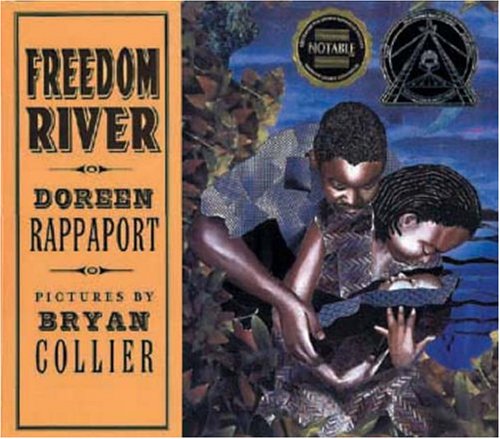
Freedom River. Doreen Rappaport. Illustrated by Bryan Collier. Picture Book. One thousand feet across the Ohio River lay the town of Ripley, and freedom. Before the Civil War, Kentucky was a slave state, while Ohio remained free. Time and time again, John Parker, an ex-slave who had bought his own freedom, led Kentucky slaves across a thin stretch of river to Ohio and safety. Freedom River is based on a true story of one man’s determination to help an African American family escape from slavery along the legendary Underground Railroad. Note: has scenes where an infant might become endangered. Mature Younger to Middle students. Ohio/Kentucky, 1840s.
John Price: Freedom Seeker in the Oberlin-Wellington Rescue
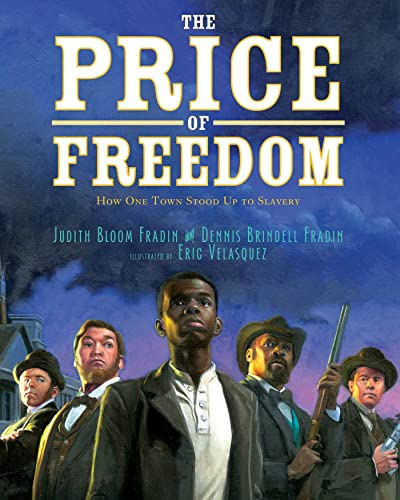
Price of Freedom: How One Town Stood Up to Slavery. Judith Bloom Fradin and Dennis Brindell Fradin. Illustrated by Eric Velasquez. Nonfiction. Picture book. John Price managed to escape to a town in Ohio. When slave-catchers come to town and kidnap him to take him back to his master, an entire town stands up to rescue him. Picture book based on a true story. Level 5.7. Ohio. Younger to Middle students. 1858.
Robert Smalls: Slave Who Captured a Confederate Ship
Freedom Ship. Doreen Rappaport. Picture Book. Robert Smalls daringly commandeered the Confederate steamship Planter, in a book showing children a particularly exciting way to learn about self-emancipation and African American participation in the Civil War. AR level 2.8. Younger to Middle students. South Carolina. 1862.
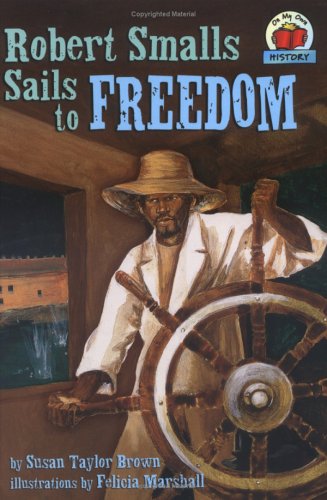
Robert Smalls Sails to Freedom. Susan Taylor Brown. Illustrated by Felicia Marshall. Nonfiction. Early Reader. Robert Smalls, a Southern slave, takes his master’s ship in the dark of night and sails across Charleston Harbor to where the Northern Army would grant him freedom. Mature younger to Middle students. South Carolina. 1862.
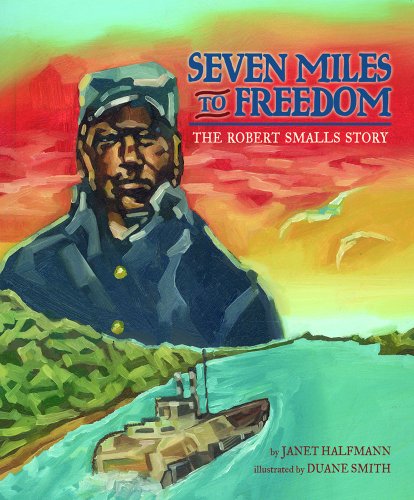
Seven Miles to Freedom: The Robert Smalls Story. Janet Halfmann. Illustrated by Duane Smith. Picture book. Learn about the daring escape of Robert Smalls, a slave steamboat wheelman who became one of the Civil War’s greatest heroes. His steadfast courage in the face of adversity is an inspiring model for all who attempt to overcome seemingly insurmountable challenges. Mature Younger to Middle students. Level 5.7. South Carolina. 1862.
Betsey Stockton: Former Slave and Hawaiian Missionary Teacher
Betsey Stockton: The Girl With a Missionary Dream. Laura Caputo-Wickham. Picture Book Biography. From slave girl to Hawaiian missionary, this is a short biography of the life of a powerful missionary woman from her humble start as a slave. New Jersey/Hawaii. 1823.
William Lewis: Blacksmith Who Bought His Family’s Freedom
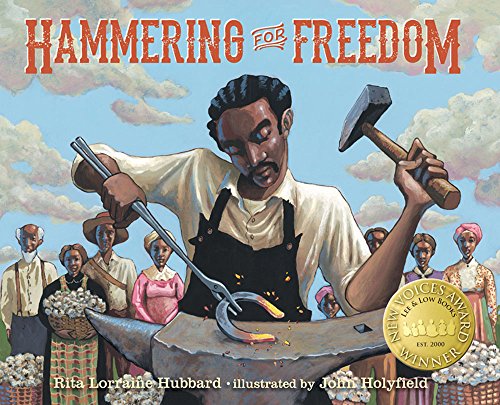
Hammering for Freedom: The William Lewis Story. Rita Lorraine Hubbard. Illustrated by John Holyfield. Picture Book Biography. Born into slavery in Chattanooga, Tennessee, William “Bill” Lewis learned the blacksmith trade as soon as he was old enough to grip a hammer. He did so well and earned so much money fixing old tools and creating new ones that he was allowed to keep a little money for himself. With just a few coins in his pocket, Bill set a daring plan in motion: he was determined to free his family. Level 4.6. Younger to Middle students. Tennessee. 1830s.
William Still: Father of the Underground Railroad
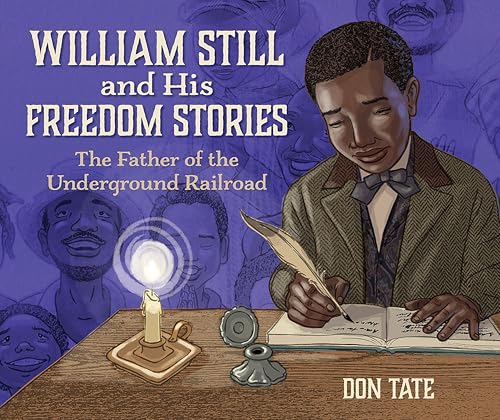
William Still and His Freedom Stories. Don Tate. Picture Book Biography. A remarkable picture book biography of William Still, known as the Father of the Underground Railroad, and the reason we know so many stories of the Underground Railroad today. He is responsible for finding the families of hundreds of slaves, including his own family. Level 4.0. Philadelphia. 1850s.
Harriet Beecher Stowe: Author of Uncle Tom’s Cabin
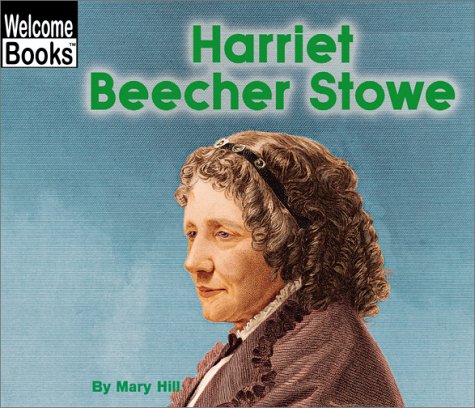
Harriet Beecher Stowe. Susan Sloate. Biography. A biography of the nineteenth-century author whose anti-slavery novel “Uncle Tom’s Cabin” helped intensify the disagreement between North and South. Lexile 400. Younger students. Connecticut. 1852.
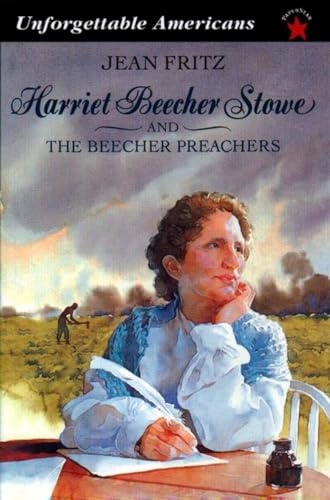
Harriet Beecher Stowe and the Beecher Preachers. Jean Fritz. Illustrated by Margot Tomes. Biography. Harriet Beecher Stowe grew up in a family in which her seven brothers were expected to be successful preachers and the four girls were never to speak in public. But slavery made Harriet so angry she couldn’t keep quiet. Although she used a pen rather than her voice to convince people of the evils of slavery, she became more famous than any of her brothers. She firmly believed that words could make change, and by writing Uncle Tom’s Cabin, Harriet Beecher Stowe hastened the Civil War and changed the course of American history. Older students. Connecticut/Maine. 1852.

Story of Harriet Beecher Stowe. Alida Sims Malkus. Cornerstones of Freedom series. Biography. Describes the life and work of the woman whose famous book “Uncle Tom’s Cabin” had a great impact on the slavery situation in the United States. Middle students. Connecticut/Maine. 1852.
Uncle Tom’s Cabin. Harriet Beecher Stowe. Historical Fiction. Read the book credited with causing the Civil War. The story of an enslaved man and his family and friends shows the horrors of slavery. The story is filled with beautiful symbolism of a love that transcends and someone that gave their life for others. The cabin Uncle Tom lived in becomes a reminder of those who gave all. Level 9.3. Older students. Kentucky/Louisiana. 1852.
Who Was Harriet Beecher Stowe. Dana Meachen Rau. Illustrated by Gregory Copeland. Who Was? series. Biography. Part of the Who Was series. Born in Connecticut in 1811, Harriet Beecher Stowe was an abolitionist, author, and playwright. Slavery was a major industry in the American South. The publication of her book, Uncle Tom’s Cabin, a scathing anti-slavery novel, captured the nation’s attention and fanned the flames that started the Civil War, and sealed Harriet Beecher Stowe’s reputation as one of the most influential anti-slavery voices in US history. Middle students. Connecticut/Maine. 1852.
Nat Turner: Leader of the Slave Rebellion
Nat Turner and Slave Life on a Southern Plantation. Katie Kelley Schmid. Jr. Graphic African-American History series. Graphic Novel. The story of Nat Turner and the slave rebellion he led are brought to life in this book. Drawn in by the graphic format, even reluctant readers will be interested in learning about history. Also includes an introduction, biographical sketches of main characters, and a timeline. Mature Younger and Middle students. Note: discusses slavery, being sold, whipping, etc. Level 3.5. Virginia. 1831.
Nat Turner. Kyle Baker. Graphic novel (mature). A stark illustrated account of the life of enslaved preacher Nat Turner and the 1831 slave rebellion he led in Virginia, portraying the brutality of slavery and the desperate struggle for freedom in the antebellum South. Note: heavy content. Although large portions of this book are virtually wordless, the images are harsh and graphic, including a baby being born on a floor while a mother is chained, severe whipping and abuse, etc. Age group: Mature 14–18. Setting: Virginia, United States, 1831.
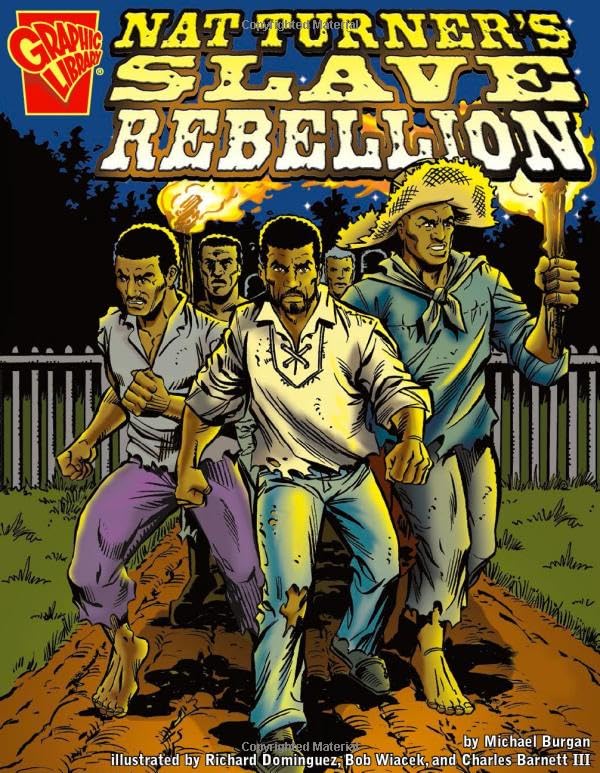
Nat Turner’s Slave Rebellion. Michael Burgan. Graphic Library: Graphic History series. Graphic Novel. Tells the true story of the 1831 Virginia slave rebellion led by slave Nat Turner, who believed he was a prophet. Written in graphic-novel format. Note: Shows abuse and discusses murder. Virginia. 1831.
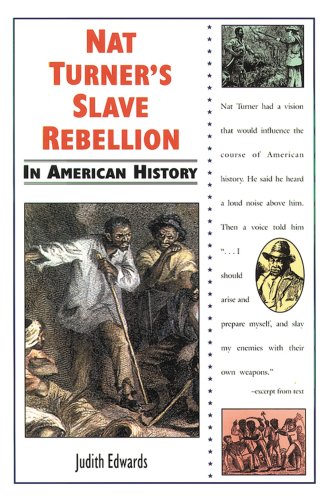
Nat Turner’s Slave Rebellion in American History. Judith Edwards. In American History series. Biography. A biography of the slave and preacher who, believing that God wanted him to free the slaves, led a major revolt in 1831. Information-packed look into the life and times of Nat Turner. Note: Harsh subject content. Level 8.4. Older students. Virginia. 1831.
Movies/Videos/Documentaries
Anthony Burns: Fighting the Fugitive Slave Act
Stephen Bishop: Enslaved Mammoth Cave Explorer
- Famous Cave Explorer Stephen Bishop
- Stephen Bishop: The Slave Who Conquered Mammoth Cave’s Darkness(very well done, but be careful with children who scare easily or have nightmares. It’s just a story of a man lost in the cave, or people who were brought to the cave to be healed but didn’t get better).
Clara Brown: Helping Freed Slaves During the Gold Rush
- Clara Brown: Pioneering Philanthropist
- The Ex-Slave Who Became Wealthy And Found Her Daughter Who Was Sold Away | Aunt Clara Brown
Henry “Box” Brown: Mailing Himself to Freedom
John Brown: Radical Abolitionist of Harpers Ferry
- John Brown’s Raid on Harpers Ferry: The Road to Civil War (History Simplified and Explained) (Note: This was a violent raid with a violent ending.)
- There is a series called The Good Lord Bird, which I have not watched. It is labeled for mature audiences.
Ellen and William Craft: Husband and Wife Who Escaped in Disguise
Frederick Douglass: Escaped Slave and Great Abolitionist Speaker
- Frederick Douglass: Crash Course Black American History #17
- Life of Frederick Douglass | Simple History
- Frederick Douglass – From Slave to Statesman Documentary (hour-long; includes references to adult topics, including violence toward his mother resulting in his birth.)
- Frederick Douglass in Five Speeches (available on HBO)
Dave “The Potter” Drake: Enslaved Potter and Poet
- Slave Potter Dave Drake | Muse Moments | KET
- Augusta Outdoors: Slavery and Dave the Slave Potter
- Dave the Potter, his poem jars are part of ‘Hear Me Now’ at MFA in Boston
Allen Jay: Young Quaker Abolitionist
Juan Francisco Manzano: Slave Poet of Cuba
John Berry Meachum: Founder of the Floating Freedom School
- Untold Black History Month Gems: Short Stories | John Berry Meachum
- Steamboat on the Mississippi educated Black Americans during slavery
- Learn the work Mary Meachum did to help slaves cross from Missouri into Illinois for their freedom (about John’s widow, but also includes a lot about his life.)
Lucretia Mott: Quaker Abolitionist and Women’s Rights Leader
Solomon Northup: Free Black Man Kidnapped into Slavery
- Descendant of ’12 Years A Slave’ Solomon Northup, honors ancestor with new monument
- True HORROR: Solomon Northup Kidnapped & Enslaved For 12 Years (some violence.)
- You can buy/rent 12 Years a Slave on Prime Video, but it is rated R for nudity, violence, foul language, sexual content and sexual violence
John Parker: Conductor on the Underground Railroad
Robert Smalls: Slave Who Captured a Confederate Ship
- The Folklorist: Robert Smalls
- Defiant: Inspired by the Life of Robert Smalls — this movie was still in production when I wrote this (5/19/2026). If you are reading this later, it may be available. I have not watched it.
- The Story of Robert Smalls — this movie was also in production when I wrote this. I do not know whether it is the same movie as Defiant. I have not watched it.
Betsey Stockton: Former Slave and Hawaiian Missionary Teacher
- Who was Betsey Stockton? #WallBuilders #Truth #History #America #Faith #blackhistorymonth (briefly mentions a sensitive topic.)
William Still: Father of the Underground Railroad
- William Still: The Father of the Underground Railroad | Freedom Journeys
- Safe Houses: The Underground Railroad in Fall River
- Hidden Messages in Spirituals | Underground Railroad: The William Still Story PBS
Harriet Beecher Stowe: Author of Uncle Tom’s Cabin
- Harriet Beecher Stowe-Uncle Tom’s Cabin PBS
- Harriet Beecher Stowe | Daily Bellringer
- Harriet Beecher Stowe
- The True Story Behind ‘Uncle Tom’s Cabin,’ The Book that Rocked Pre-Civil War America
- There are so many versions of Uncle Tom’s Cabin, and I haven’t had time to watch them all. I did watch the 1987 one years ago and I don’t remember too much violence or gore in it, but I would still take caution with children. I think I saw more than 12 versions, trying to find one.
Nat Turner: Leader of the Slave Rebellion
- The Untold Story: Nat Turner’s Slave Rebellion 1831 (includes violent scenes; watch with caution.)
- The Slave Revolt That Almost Destroyed America (Note: This is a violent episode with a violent ending, including some children. Some scenes might be scary for children or cause religious confusion. Mature Older students.)
- The Birth of a Nation — I have not watched this. It is for mature audiences.
Museums/Field Trips (including virtual):
Anthony Burns: Fighting the Fugitive Slave Act
- Virtual exhibit: Anthony Burns story map — follows his escape, arrest, failed courthouse rescue, rendition, and return to freedom.
Stephen Bishop: Enslaved Mammoth Cave Explorer
- Mammoth Cave National Park — cave routes Bishop explored and guided, plus his grave on the Heritage Trail. Mammoth Cave, Kentucky.
Clara Brown: Helping Freed Slaves During the Gold Rush
- Colorado State Capitol — permanent stained-glass portrait of Clara Brown. Denver, Colorado.
- Central City Opera House — permanent Clara Brown memorial chair. Central City, Colorado.
Henry “Box” Brown: Mailing Himself to Freedom
- National Museum of Railroad History & Innovation — permanent Underground Railroad exhibit at historic Mt. Clare Station, including Henry “Box” Brown. Baltimore, Maryland.
John Brown: Radical Abolitionist of Harpers Ferry
- John Brown Museum and John Brown’s Fort, Harpers Ferry National Historical Park. Harpers Ferry, West Virginia.
- John Brown Farm State Historic Site — Brown’s home, exhibits, and grave. Lake Placid, New York.
Ellen and William Craft: Husband and Wife Who Escaped in Disguise
- National Museum of Railroad History & Innovation — permanent Underground Railroad exhibit at the actual station the Crafts traveled through. Baltimore, Maryland.
Frederick Douglass: Escaped Slave and Great Abolitionist Speaker
- Frederick Douglass National Historic Site — Cedar Hill, Douglass’s final home, with original family objects and permanent interpretation. Washington, D.C.
- Frederick Douglass–Isaac Myers Maritime Park and Museum — interprets Douglass’s childhood and young adulthood in Baltimore’s shipyards. Baltimore, Maryland.
Dave “The Potter” Drake: Enslaved Potter and Poet
- Greenville County Museum of Art — permanent collection includes the largest institutional collection of David Drake pottery. Greenville, South Carolina.
Lucretia Mott: Quaker Abolitionist and Women’s Rights Leader
- Women’s Rights National Historical Park — Wesleyan Chapel and permanent First Wave exhibit interpret Mott’s role in the 1848 convention. Seneca Falls, New York.
Solomon Northup: Free Black Man Kidnapped into Slavery
- Old Fort House Museum — permanent Solomon Northup room and exhibit at a house where Northup and his wife lived. Fort Edward, New York.
John Parker: Conductor on the Underground Railroad
- John P. Parker House Historic Site — Parker’s home and Underground Railroad site. Ripley, Ohio.
John Price: Freedom Seeker in the Oberlin-Wellington Rescue
- Virtual exhibit: The Oberlin-Wellington Rescue — detailed account of Price’s kidnapping, rescue, participants, and aftermath.
Robert Smalls: Slave Who Captured a Confederate Ship
- John Mark Verdier House — permanent Robert Smalls exhibit. Beaufort, South Carolina.
Betsey Stockton: Former Slave and Hawaiian Missionary Teacher
- Betsey Stockton Garden — permanent memorial garden and marker at Princeton University. Princeton, New Jersey.
- Witherspoon Street Presbyterian Church — Stockton memorial window and plaque at the church she helped establish. Princeton, New Jersey.
William Lewis: Blacksmith Who Bought His Family’s Freedom
- William “Uncle Bill” Lewis historical marker — at the site of Lewis’s blacksmith shop. Chattanooga, Tennessee.
William Still: Father of the Underground Railroad
- Virtual exhibit: William Still: An African-American Abolitionist — family letters, photographs, abolitionist pamphlets, and classroom resources.
Harriet Beecher Stowe: Author of Uncle Tom’s Cabin
- Stowe Center for Literary Activism — Stowe’s Hartford home and permanent interpretation of her life and anti-slavery writing. Hartford, Connecticut.
- Harriet Beecher Stowe House — historic Beecher family home with tours focused on Stowe, abolitionism, Lane Seminary, and the Underground Railroad. Cincinnati, Ohio.
Nat Turner: Leader of the Slave Rebellion
- Nat Turner Insurrection Trail — permanent interpreted trail through sites associated with the 1831 Southampton Insurrection. Courtland and Southampton County, Virginia.
Songs:
Henry “Box” Brown: Mailing Himself to Freedom
John Brown: Radical Abolitionist of Harpers Ferry
- There is a song called John Brown’s Body about John Brown, but I’m not a big fan of the song personally.
Frederick Douglass: Escaped Slave and Great Abolitionist Speaker
Lucretia Mott: Quaker Abolitionist and Women’s Rights Leader
Solomon Northup: Free Black Man Kidnapped into Slavery
- 12 Years A Slave “Reel Song” – Roll Jordan Roll (I can’t find a song about him specifically, but this is one from the movie.)
John Parker: Conductor on the Underground Railroad
- Civil War Songs Video 6 of 8 God Didn’t Choose Sides Vol. 1 / The River Man (Dave Adkins) (talks about the song, with the song at the beginning and end.)
- The River Man (the full song, with no commentary; might not be appropriate for all children because it discusses whipping and dangers.)
Betsey Stockton: Former Slave and Hawaiian Missionary Teacher
- Hawaiian hula song dedicated to Betsey Stockton (I cannot find the dance or lyrics online.)
Harriet Beecher Stowe: Author of Uncle Tom’s Cabin
- Still With Thee – Elaine Hagenberg (Oasis Chorale) (This is not about Harriet Beecher Stowe, but she wrote the lyrics/poem. She did not write music for it, so it is sung to different musical settings.)
Nat Turner: Leader of the Slave Rebellion